About Uganda: The Pearl of Africa
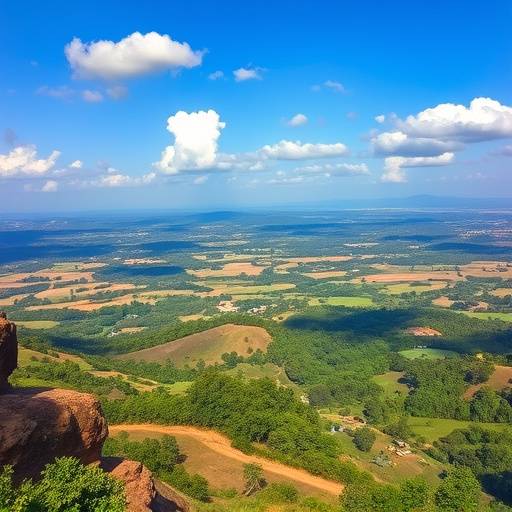
Uganda, often referred to as the "Pearl of Africa," is a landlocked country in East Africa whose diverse landscape encompasses the snow-capped Rwenzori Mountains and immense Lake Victoria. Its abundant wildlife includes chimpanzees as well as rare birds. Remote Bwindi Impenetrable National Park is a renowned mountain gorilla sanctuary. Murchison Falls National Park in the northwest is known for its 43m-tall waterfall and wildlife such as hippos. Welcome to a land of unparalleled beauty and cultural richness!
A Land of History
Uganda's history is as diverse and captivating as its landscape. From ancient kingdoms to colonial influences and its struggle for independence, Uganda has emerged as a nation with a strong sense of identity. The Kingdom of Buganda, one of the oldest and largest traditional kingdoms in present-day Uganda, has played a pivotal role in the country's history. Its rich traditions and customs continue to influence Uganda's cultural fabric.
In the late 19th century, Uganda became a British protectorate. The colonial era brought significant changes, including the introduction of new administrative systems, infrastructure development, and the spread of Christianity and education. Uganda gained independence on October 9, 1962, marking a new chapter in its history.
The post-independence period was marked by political instability and economic challenges. However, under the leadership of President Yoweri Museveni, Uganda has experienced significant progress in recent decades. The country has made strides in economic development, infrastructure improvement, and social reforms. Uganda is actively working towards sustainable development and regional integration.
The People of Uganda
Uganda is a melting pot of cultures, with over 50 different ethnic groups calling it home. Each group has its unique language, customs, and traditions, contributing to Uganda's vibrant cultural diversity. The Baganda, Basoga, Banyankole, and Acholi are some of the major ethnic groups that make up Uganda's population. The warm hospitality and friendly nature of the Ugandan people are renowned, making visitors feel welcome and at home.
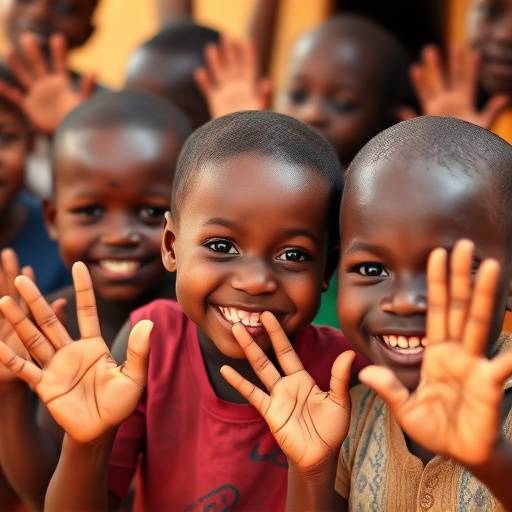
Family plays a central role in Ugandan society. Strong family ties and communal values are highly valued. Traditional ceremonies, such as weddings and funerals, are important cultural events that bring communities together. Storytelling, music, and dance are integral parts of Ugandan culture, preserving and passing on traditions from one generation to the next.
The Ugandan people are known for their resilience, creativity, and entrepreneurial spirit. Despite facing challenges, they have consistently demonstrated a remarkable ability to overcome adversity and build a better future for themselves and their communities. Their determination and hard work have contributed to Uganda's growth and development.
A Tapestry of Culture
Uganda's cultural heritage is rich and diverse, reflecting the country's numerous ethnic groups and their unique traditions. Music, dance, and art are integral parts of Ugandan culture, expressing the country's history, values, and aspirations.
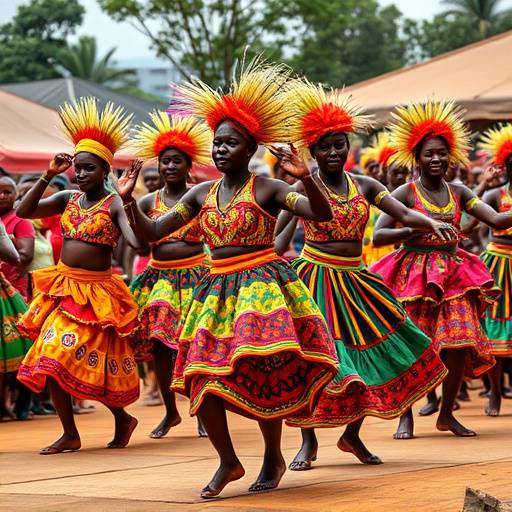
Traditional music in Uganda is characterized by its diverse instruments, rhythms, and melodies. Each ethnic group has its unique musical style, often accompanied by traditional dances that tell stories and celebrate important events. The vibrant colors, intricate patterns, and symbolic designs found in Ugandan art reflect the country's cultural identity.
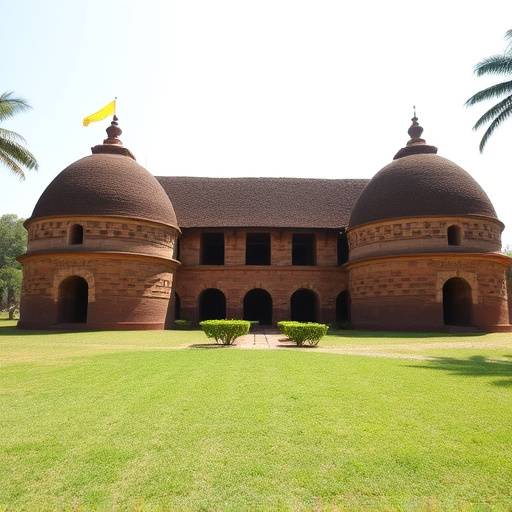
Uganda is also home to numerous historical sites and cultural landmarks that offer insights into the country's past. The Kasubi Tombs, a UNESCO World Heritage Site, are the burial grounds of Buganda's kings and a significant cultural and spiritual site. The Uganda Museum in Kampala showcases the country's rich cultural heritage, featuring artifacts, exhibits, and displays that highlight Uganda's history and traditions.
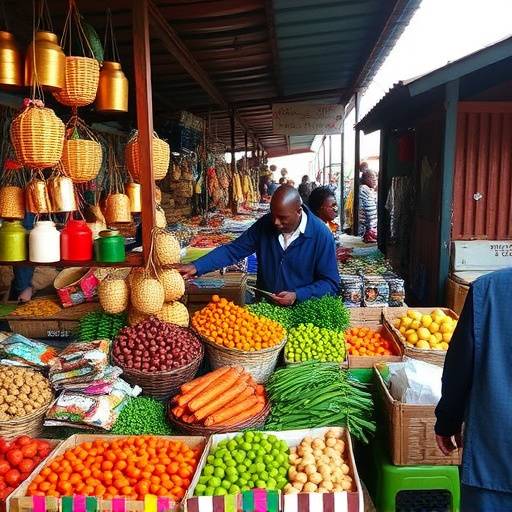
Ugandan cuisine is a delightful fusion of flavors and ingredients. Matooke (steamed green bananas), posho (maize flour), and groundnut stew are some of the staple foods that form the basis of many Ugandan dishes. Fresh fruits, vegetables, and spices add to the culinary experience, offering a diverse range of tastes and textures. Be sure to try the local delicacies during your visit!
Embracing the Future
Uganda is a nation on the rise, embracing progress and innovation while preserving its cultural heritage. The country is committed to sustainable development, investing in education, healthcare, and infrastructure to improve the lives of its citizens. Uganda is also actively promoting tourism, showcasing its natural beauty and cultural attractions to the world.
Pearl Adventures is proud to be a part of Uganda's journey, offering visitors the opportunity to experience the beauty, culture, and adventure that this remarkable country has to offer. We are committed to responsible tourism, working with local communities to ensure that tourism benefits the people and the environment of Uganda.
Uganda in Numbers
| Attribute | Value |
|---|---|
| Official Name | Republic of Uganda |
| Capital | Kampala |
| Official Languages | English, Swahili |
| Area | 241,038 km² (93,065 sq mi) |
| Population (Estimated 2023) | 47 Million |
| Currency | Ugandan Shilling (UGX) |
| Independence | October 9, 1962 |
Come and discover the magic of Uganda with Pearl Adventures. Let us guide you on an unforgettable journey through the Pearl of Africa!