The Rich Culture of Uganda
Discover the traditions, arts, and heritage that make Uganda the Pearl of Africa.
Explore NowCultural Aspects of Uganda
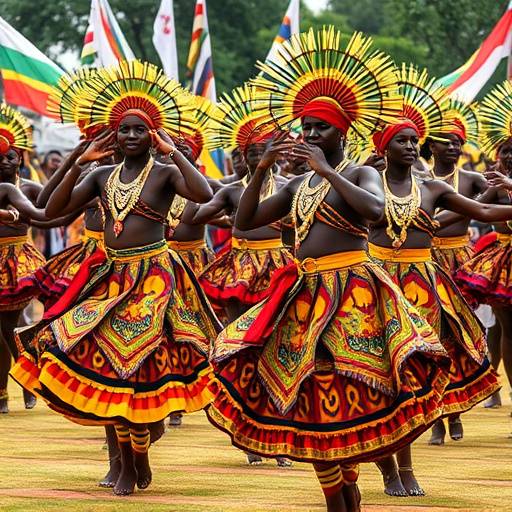
Traditional Dance and Music
Uganda boasts a diverse range of traditional dances and music, each unique to different ethnic groups. These performances often tell stories, celebrate harvests, or mark important ceremonies. The rhythmic beats of drums, the melodic sounds of local instruments like the adungu (a bow harp), and the colorful costumes create a captivating spectacle. Many cultural centers offer opportunities to witness and even participate in these vibrant traditions.
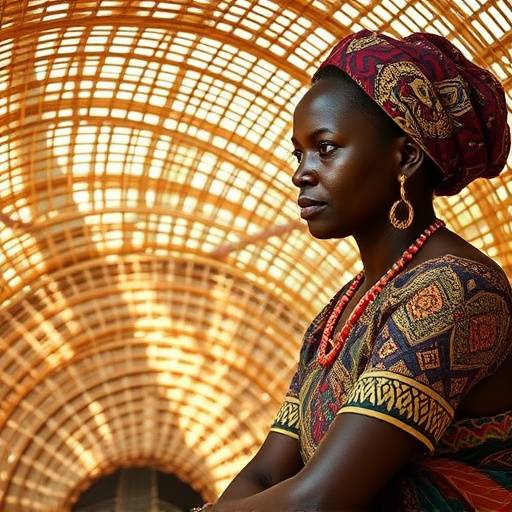
Crafts and Art
Ugandan artisans are skilled in a variety of crafts, including basket weaving, pottery, wood carving, and beadwork. These crafts often use locally sourced materials and reflect the natural environment. Baskets are woven with intricate patterns and serve both functional and decorative purposes. Wood carvings depict animals, people, and scenes from daily life. Beadwork adorns clothing, jewelry, and other accessories, adding color and cultural significance. You can find these beautiful crafts at local markets and craft centers.
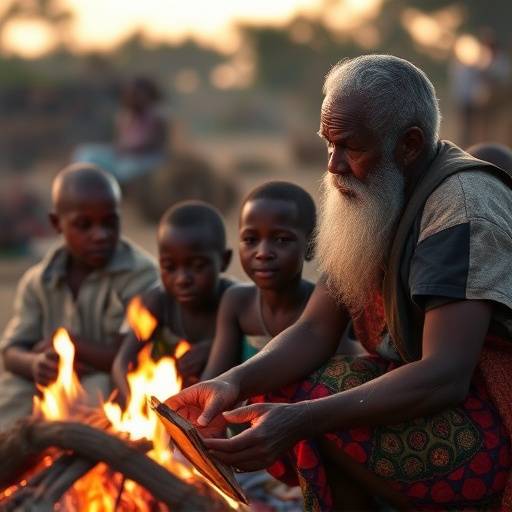
Storytelling and Oral Traditions
Storytelling is an integral part of Ugandan culture, passed down through generations. Village elders play a crucial role in preserving these oral traditions, sharing folktales, myths, and historical accounts. These stories often impart moral lessons, explain natural phenomena, or celebrate the achievements of ancestors. Gathering around a fire to listen to these captivating tales is a cherished cultural experience that fosters a sense of community and connection to the past. Many lodges offer storytelling experiences as part of their cultural programs.
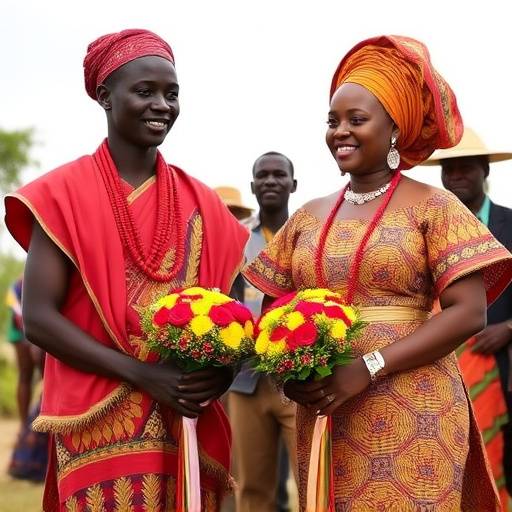
Ceremonies and Rituals
Traditional ceremonies and rituals play a significant role in Ugandan life, marking important milestones such as births, marriages, and deaths. These ceremonies often involve elaborate rituals, traditional music and dance, and the exchange of gifts. Marriage ceremonies, in particular, are colorful and joyous occasions, celebrating the union of two families and the continuation of cultural traditions. Visiting a cultural center can provide insights into the meaning and significance of these ceremonies.
Cuisine
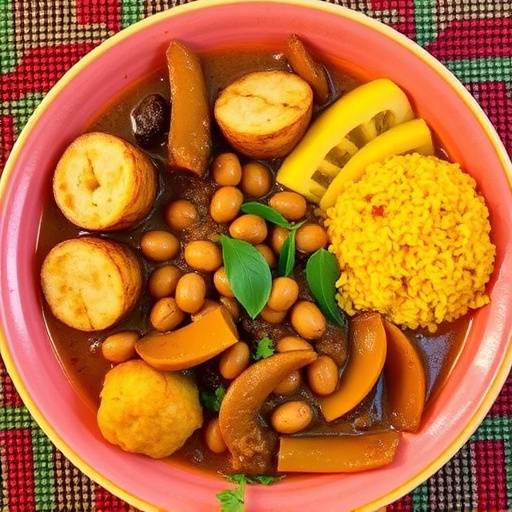
Ugandan cuisine is diverse and flavorful, reflecting the country's rich agricultural heritage. Staple foods include matooke (steamed green bananas), cassava, sweet potatoes, and beans. Groundnut stew is a popular dish, made with groundnuts, vegetables, and meat or fish. Grilled meats, such as goat and chicken, are also common. Fresh fruits like mangoes, pineapples, and passion fruit are abundant. Exploring local markets and trying traditional dishes is a delicious way to experience Ugandan culture.
Ugandan Kingdoms
Uganda is home to several ancient kingdoms, each with its own distinct history, culture, and traditions. These kingdoms have played a significant role in shaping Uganda's identity and continue to be important cultural institutions.
- Buganda Kingdom: The largest and most influential kingdom, known for its rich traditions and strong cultural identity.
- Ankole Kingdom: Known for its long-horned cattle and pastoral traditions.
- Toro Kingdom: Located in western Uganda, known for its beautiful landscapes and cultural heritage.
- Bunyoro-Kitara Kingdom: One of the oldest kingdoms in Uganda, with a rich history dating back centuries.
Visiting these kingdoms offers a unique opportunity to learn about Uganda's history, culture, and traditions. You can explore royal palaces, attend cultural events, and interact with local communities.
Linguistic Diversity in Uganda
Uganda is a melting pot of languages, reflecting its diverse ethnic composition. While English and Swahili serve as official languages, numerous indigenous languages thrive across the nation, each carrying its own unique cultural significance and historical context.
| Language Group | Examples of Languages | Regions Predominantly Spoken |
|---|---|---|
| Bantu | Luganda, Runyankole, Rukiga, Lusoga | Central, Western, and Eastern Uganda |
| Nilotic | Luo, Acholi, Teso, Karamojong | Northern and Eastern Uganda |
| Central Sudanic | Lugbara, Madi | Northwestern Uganda |
Understanding and appreciating this linguistic diversity can significantly enhance your cultural immersion in Uganda. Learning a few basic phrases in a local language can open doors to more meaningful interactions and demonstrate respect for the local culture.
Cultural Etiquette: Respecting Ugandan Traditions
When visiting Uganda, it's essential to be mindful of local customs and etiquette to ensure a respectful and enriching experience. Here are a few key points to consider:
- Greetings: Greet people with a warm smile and a polite greeting in their local language if possible. A handshake is a common form of greeting.
- Dress Code: Dress modestly, especially when visiting religious sites or rural communities. Avoid wearing revealing clothing.
- Photography: Always ask for permission before taking photographs of people, especially in rural areas.
- Gift Giving: Small gifts are often appreciated, especially when visiting someone's home. Consider bringing items such as sugar, salt, or school supplies.
- Respect for Elders: Show respect for elders by addressing them politely and listening attentively to their advice and stories.
- Table Manners: When eating, wash your hands before and after the meal. It's common to eat with your right hand only.
By observing these simple guidelines, you can demonstrate your respect for Ugandan culture and create positive interactions with local communities.